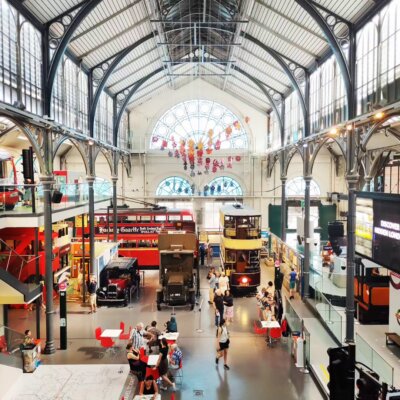
Museum dedicated to the history of London’s transport system and how it shaped the city. Displays include vintage Tube carriages, historic buses, and the evolution of the Underground network.
Must see: original early Underground trains you can walk through, alongside the iconic poster collection that defined London’s visual identity.
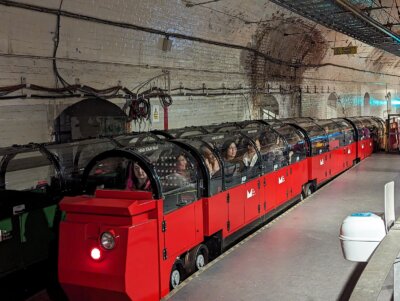
Unexpectedly fascinating museum uncovering the hidden history of London’s postal system. Make sure to pre-book a ride on Mail Rail, a miniature underground train through old postal tunnels. Blends social history, engineering, and quirky stories from centuries of communication.
Feels immersive and slightly secretive, revealing a part of the city most people never get to see.
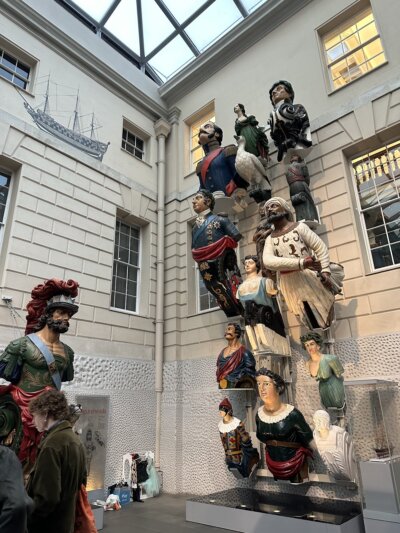
Part of the Greenwich Maritime World Heritage Site, exploring Britain’s relationship with the sea. Extensive collections covering naval history, exploration, trade, and navigation. Must see: Admiral Nelson’s Trafalgar coat, still bearing the fatal bullet hole from the Battle of Trafalgar. Galleries range from grand historical narratives to intricate details of life at sea.
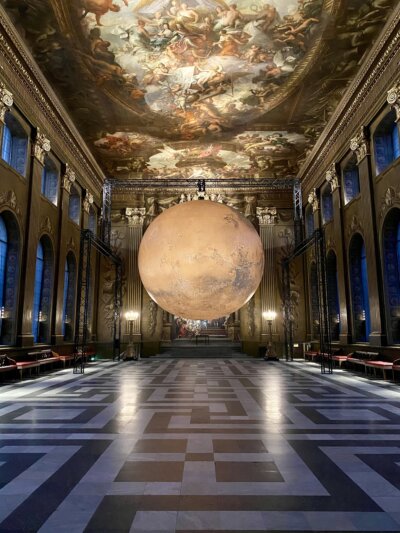
This baroque masterpiece was completed in 1726 and is often called the “Sistine Chapel of the UK”. Designed by Sir James Thornhill, with vast ceiling and wall paintings celebrating British naval power.
Every surface is covered in detail, from mythological figures to real historical figures like King William III. Best experienced slowly, lying back or looking up, so you can take in the full scale and storytelling above you.
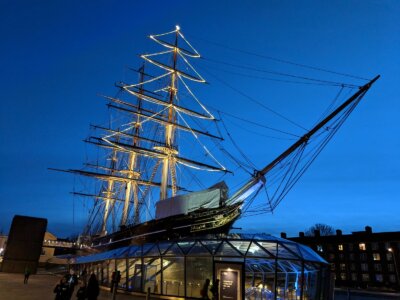
Victorian tea clipper launched in 1869, built for speed during the China tea trade. Now suspended above ground in Greenwich, with a glass canopy beneath its hull. You can walk both under and on board, exploring crew quarters, cargo spaces, and deck rigging. A rare chance to experience a historic ship from every angle, revealing both its engineering and daily life at sea.
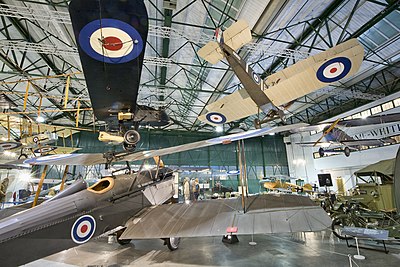
A brilliant museum charting the story of the Royal Air Force from 1918 through to modern day operations. Houses over 100 real aircraft, from early flying machines to Cold War jets and beyond. At times quiet and reflective, at others dramatic and cinematic, it leaves you with a strong sense of both engineering ambition and human cost.
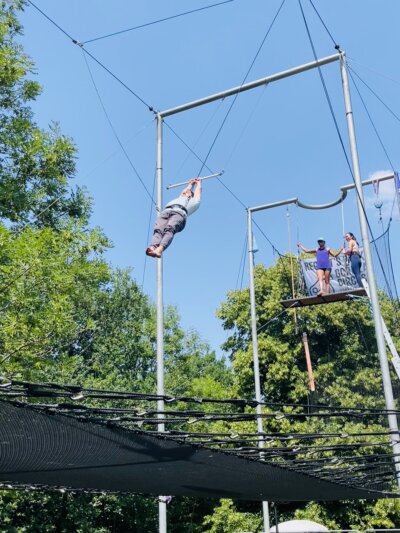
Outdoor flying trapeze school, where you can practise your best circus skills in the middle of the park! Open to complete beginners with expert instructors guiding you through each step. Sessions build up to real mid air catches.
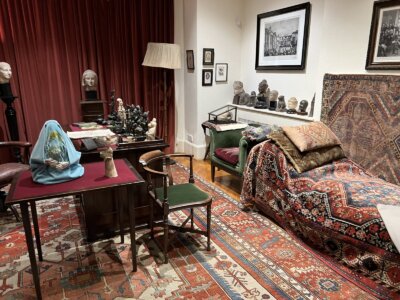
Former home of Sigmund Freud, where he spent the final year of his life after fleeing Vienna in 1938. Preserved almost exactly as he left it, including his study and the original psychoanalytic couch. Filled with his personal library and a vast collection of antiquities that shaped his thinking. Offers an intimate glimpse into both his daily life and the ideas that influenced modern psychology.
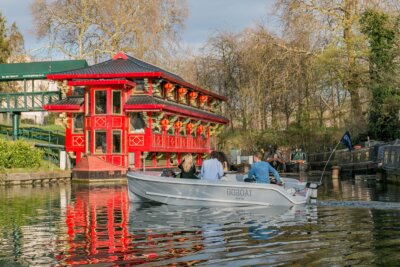
Self drive electric boats that let you explore the capital's waterways at your own pace. No experience needed - just a map, a picnic and some sunglasses on your journey through Little Venice and beyond. An unhurried and whimsical way to see London from the water.
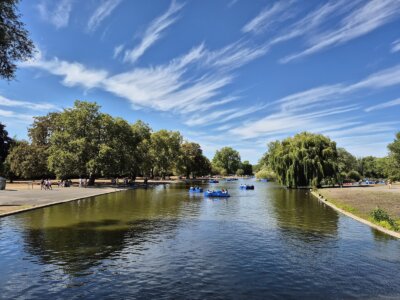
Pedal boats and row boats available on the park’s peaceful central lake. An old fashioned way to slow down and spend time on the water, surrounded by lush greenery, with friendly ducks and swans by your side. Make sure to pack your sunglasses and prepare to give those legs a good workout!
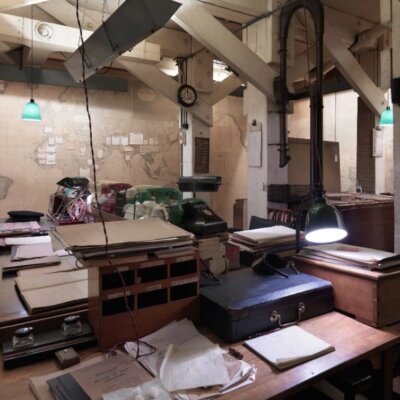
Underground bunker used by the British government during the Second World War, operational from 1939 to 1945. Preserved almost exactly as it was left - with maps, phones, and rooms frozen in time. Includes Churchill’s private quarters and the Cabinet War Room where key decisions were made.
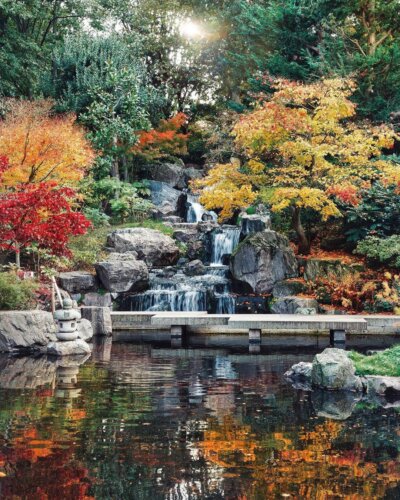
This Japanese garden was gifted by the city of Kyoto in 1991 as a symbol of friendship with the UK. Designed in a traditional style with waterfalls, koi carp, stone lanterns, peacocks and carefully placed rocks. Quiet, contemplative, and beautifully composed, it feels worlds away from the surrounding city.
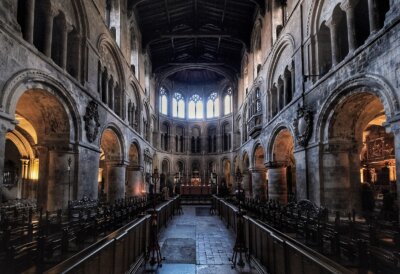
Founded in 1123, one of the oldest surviving churches in London, with deep medieval roots. Remarkable for its Norman architecture, heavy stone arches, and dimly lit interior. Used as a filming location for numerous productions, adding to its quiet sense of familiarity.
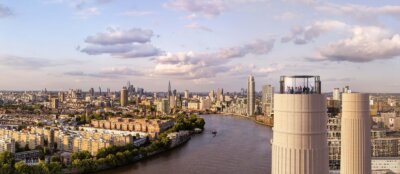
Set within Battersea Power Station, originally built in the 1930s and once powering a fifth of London. After decades of abandonment, the building was restored and reopened in 2022, turning this industrial giant into a cultural landmark.
The glass elevator rises through one of the reconstructed chimneys, a structure that had to be dismantled and rebuilt as part of the revival.
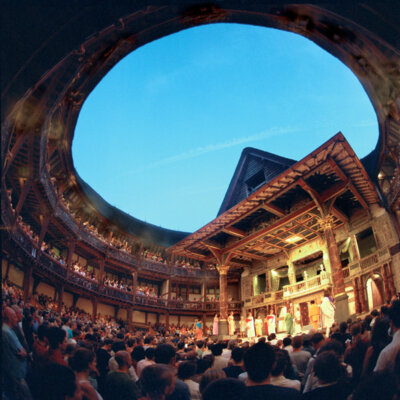
Faithful reconstruction of the original 1599 theatre associated with William Shakespeare, rebuilt and opened in 1997.
Open air design means performances take place just as they did in Shakespeare’s time, exposed to daylight and weather.
Standing in the yard places you right at the edge of the stage, with actors performing just metres away.
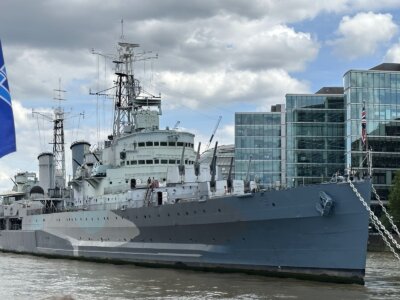
A Royal Navy warship launched in 1938, now permanently moored on the Thames. You can explore all 9 decks of the ship, from gun turrets to engine rooms, exactly as it was used in the past.
From climbing ladders, ducking through tight corridors, stepping into real living quarters - this feels less like a museum, and more like walking through a frozen moment in history.
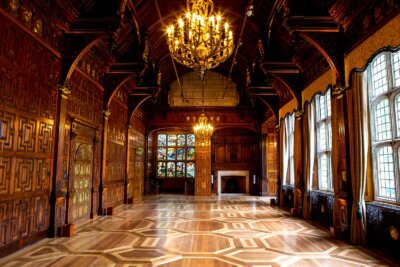
Neo Gothic mansion completed in 1895 for William Waldorf Astor, built as a statement of wealth and power. Remarkable for its lavish interiors, with intricate wood carvings, stained glass, and a dramatic central staircase. Opens seasonally for exhibitions. Less a traditional gallery and more a glimpse into a highly personal, almost theatrical vision of Victorian ambition.
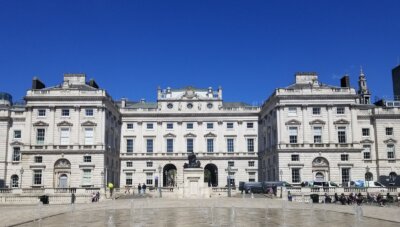
Art gallery founded in 1932, now housed within the historic rooms of Somerset House. Best known for its Impressionist and Post Impressionist masterpieces, including works by Van Gogh, Monet, and Manet. A must see is Self Portrait with Bandaged Ear by Van Gogh, one of the most iconic works in the collection.
Smaller and more focused than major museums, allowing you to experience world class art at close range.
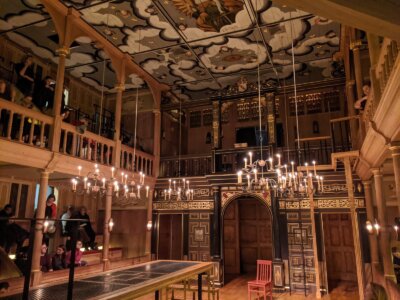
Indoor Jacobean style theatre opened in 2014 as part of Shakespeare’s Globe. Lit almost entirely by candlelight, recreating how plays were originally staged in the 17th century. Performances feel close and immediate, with actors and audience sharing the same intimate space. A rare chance to experience theatre as it once was, shaped by light, shadow, and live presence.
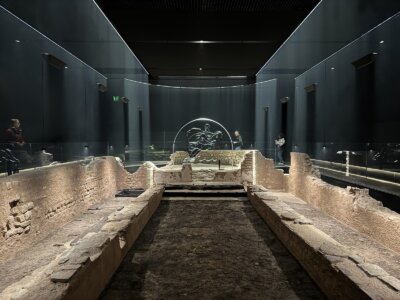
Reconstructed Roman temple dating back to the 3rd century. Dedicated to the mystery cult of Mithras, once worshipped in secrecy by Roman soldiers and merchants. The temple has been reinstalled below street level with a timed light and sound installation that recreates its ritual atmosphere.
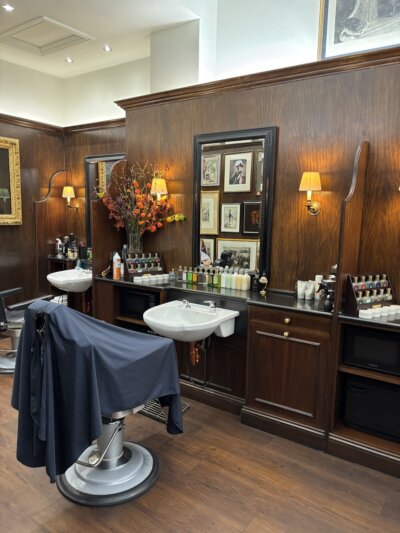
Established in 1805, recognised as the world’s oldest barbershop. Traditional grooming house offering haircuts, shaves, and bespoke treatments. Known for its heritage products, from colognes to shaving creams and brushes. Stepping inside feels like entering a private club, with polished wood, ritual, and quiet precision shaping the experience.
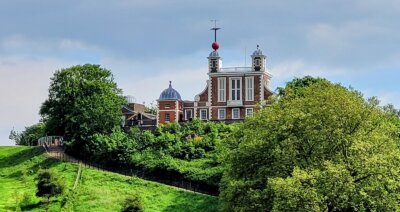
Founded in 1675 by King Charles II to advance navigation and timekeeping at sea. Home of the Prime Meridian, where longitude is set at 0° and the world’s time zones are measured from. Historic instruments and telescopes chart the story of astronomy and Britain’s role in global navigation. Standing on the line itself is the highlight, placing you physically between east and west at a point that shapes how the world measures time.
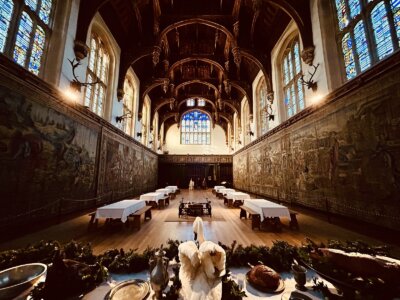
Historic royal palace associated with Henry VIII, blending Tudor and Baroque architecture. Lavish interiors, vast kitchens, and formal gardens reveal the scale of court life across centuries. Must see: the Great Hall, with its spectacular hammer beam roof and tapestries, offering one of the most dramatic Tudor interiors in England.
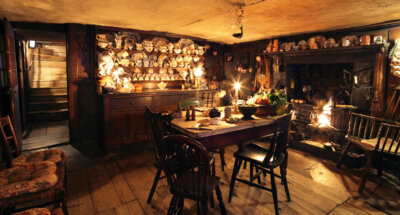
Created by Dennis Severs in the late 20th century as a “still life drama” rather than a traditional museum. Each room is staged as if the inhabitants have just stepped out, with candlelight, food, and small details left behind. You move through in silence, following the imagined lives of a Huguenot silk weaving family across generations.